2025 Tartan ball

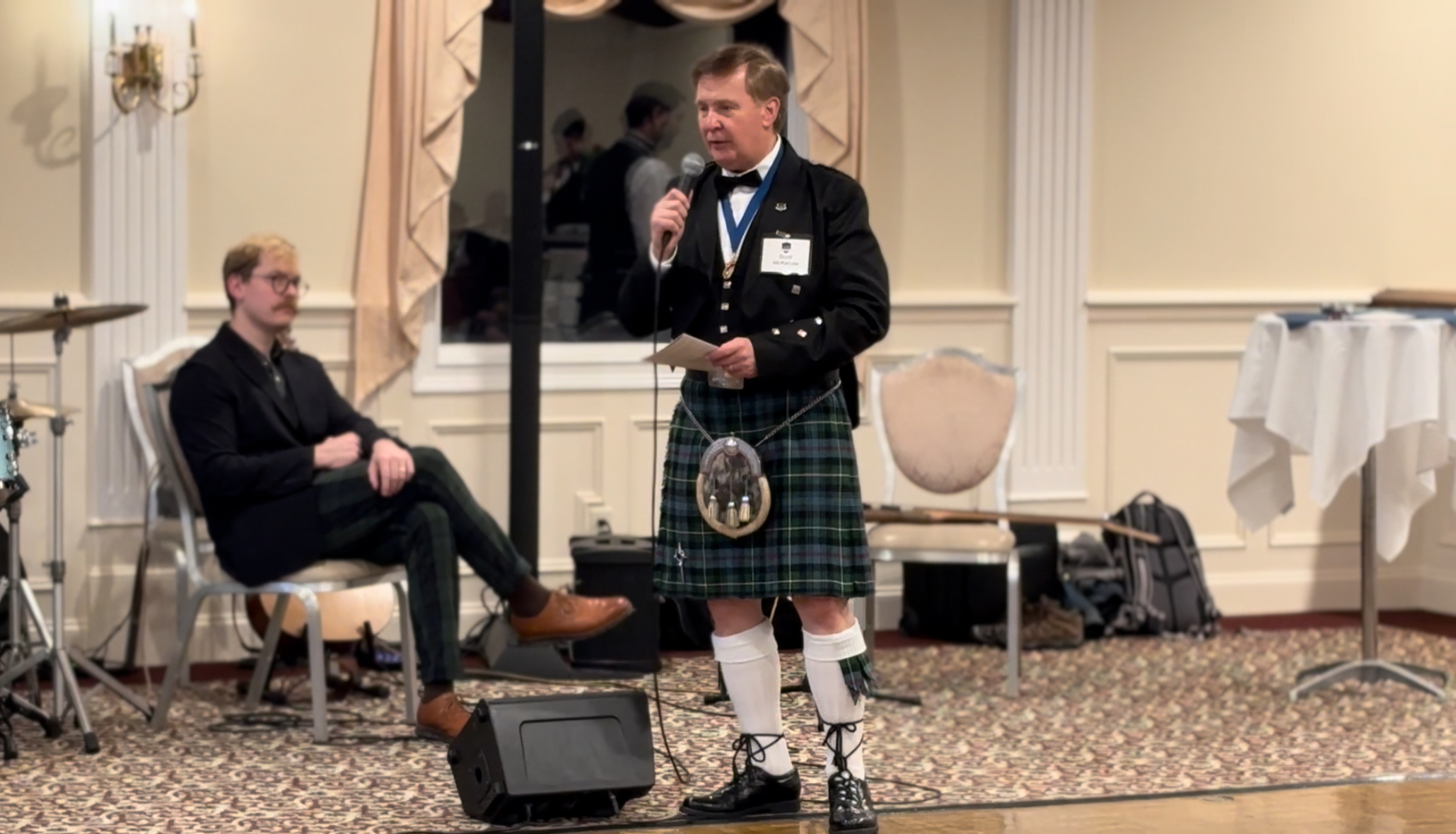
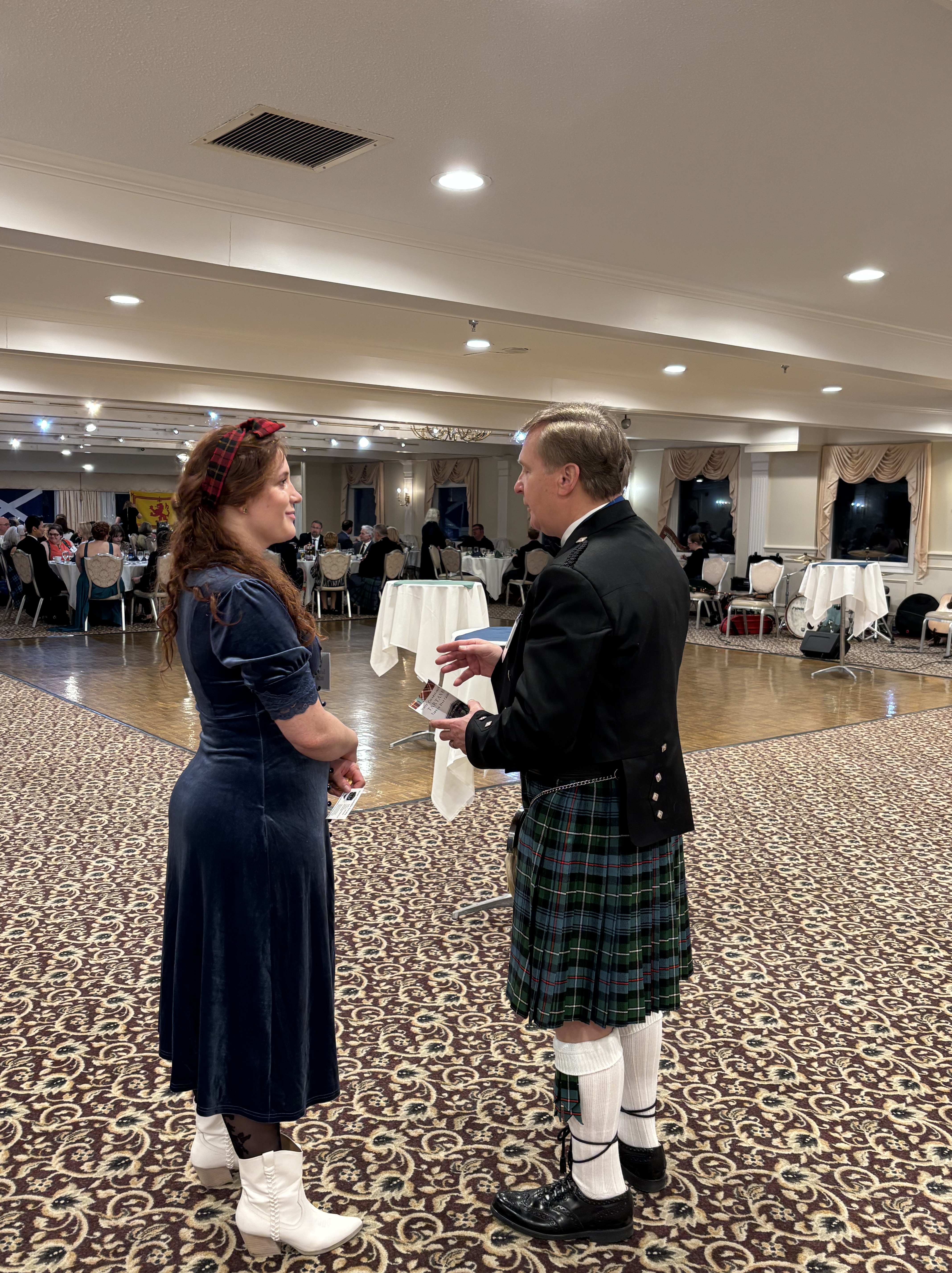
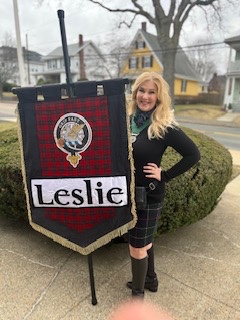
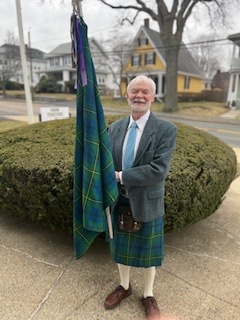
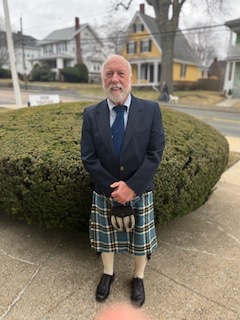
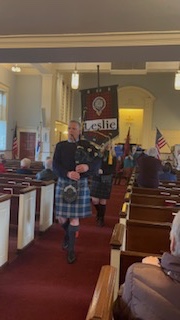
Glasses clinked and tartans swirled this year on April 5th at Scots Charitable’s Annual Tartan Ball at the Indian Ridge Country Club in Andover MA!

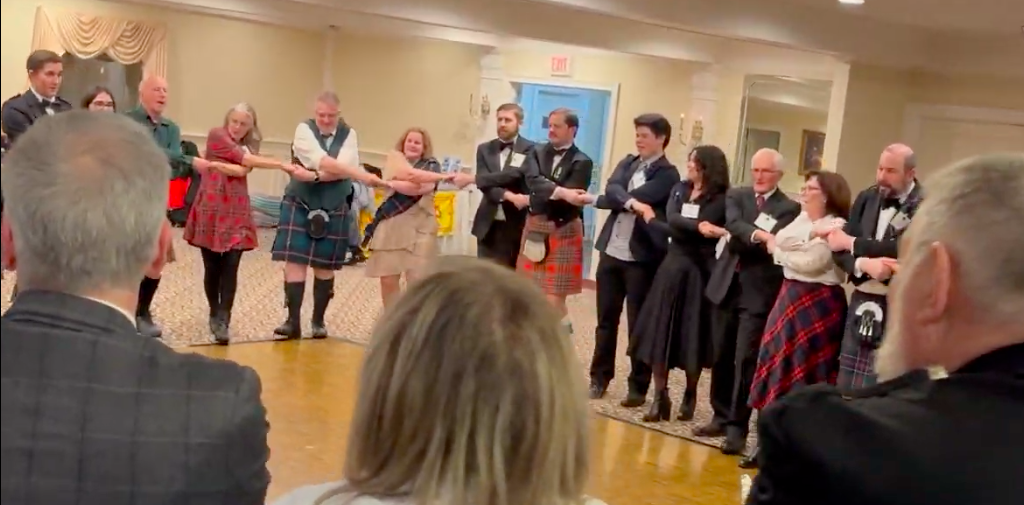
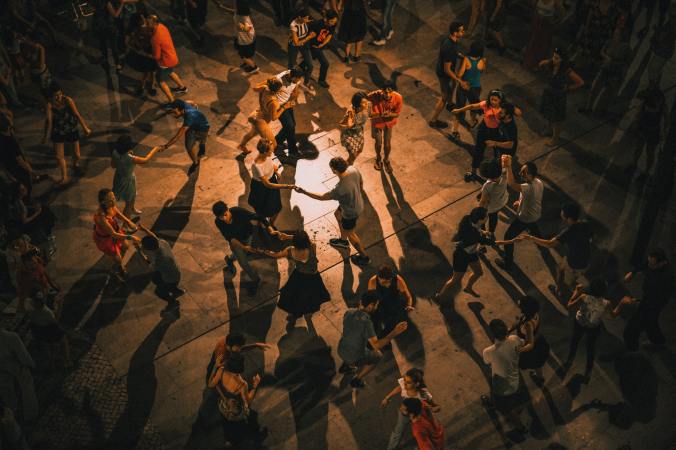
As the pipers piped, 100+ guests danced and friendships were forged over toasts and fine dining. Needless to say, we were all in good company. The band, Celtic Beats, kept the tunes going all eveing while guests danced, enjoyed dinner, tried their luck in raffles and of course, dabbled in a wee dram!

The Sword Dance was a favorite tradition of many, and the dance floor stayed lively throughout the evening. We were pleased to continue the Tartan Ball tradition in celebrating the contributions and heritage of Scottish people in North America.

All contributions from the event have supported our Scholarship fund. None of this would have been possible without our wonderful sponsors. THANK YOU!

CEILIDH

McClintock Enterprises of Boston

National Trust of Scotland

SALTIRE

NH Scot Fund

SCOTS HELPING SCOTS

Andrew MacAuley

Loyola Jesuit Center

Norcross and Sons HVAC

North Mechanical Services, Inc

RAFFLE CONTRIBUTIONS

Bill Budde

Bruce Hamilton

Beth Harding

Anne Marie Kennedy

Molly Lyttle

Karen Mahoney

Peter Reardon

Celestia Ryans

Chris Young

Rob Young

ORGANIZATIONS

Mallory Portraits

Oak and Iron Brewing Co

Scottish Creations

Harney & Sons

Walkers Shortbread

The Scottish Gourmet

Scottish Arts

Citizen Public House & Oyster Bar

See you next year!

Scots-charitable.org

SCS Reporter June 2024

The next meeting of the Scots’ Charitable Society is scheduled for Thursday, June 27 at the Chateau Restaurant, 195 School Street, Waltham MA. Members will socialize starting at 6 PM, the dinner and speaking event starts at 7 PM.

Our guest speaker is Jonathan Lane, Executive Director of Revolution 250, this organization is focused commemorating the 250th anniversary the events that led to the American Revolution. For more details, visit revolution250.org! We’re excited to have them join our meeting!

Be sure to RSVP to Scott McKenzie, email: scotiamckenzie@gmail.com or call 603.718.5785. If you are unable to attend this meeting, you can join via Zoom using THIS ZOOM LINK!

For those attending, please RSVP with your dinner selection:

Dinner choices: Chicken Parmigiana with Penne pasta, Fish & Chips, with French fries and Cole slaw, Marinated Sirloin Tips with mashed potatoes and fresh vegetable

Your voice counts. Whether you will be joining in person or via the web, your participation is important. Prior to the meeting, please be sure to review the Board of Governor’s Quarterly Reports at by logging into to the Members Only Section of the website. Reports are typically posted at leas 48 hours before the meeting. Membership Log In.

Scots’ Charitable Society – Member bio – Andrew Carnegie

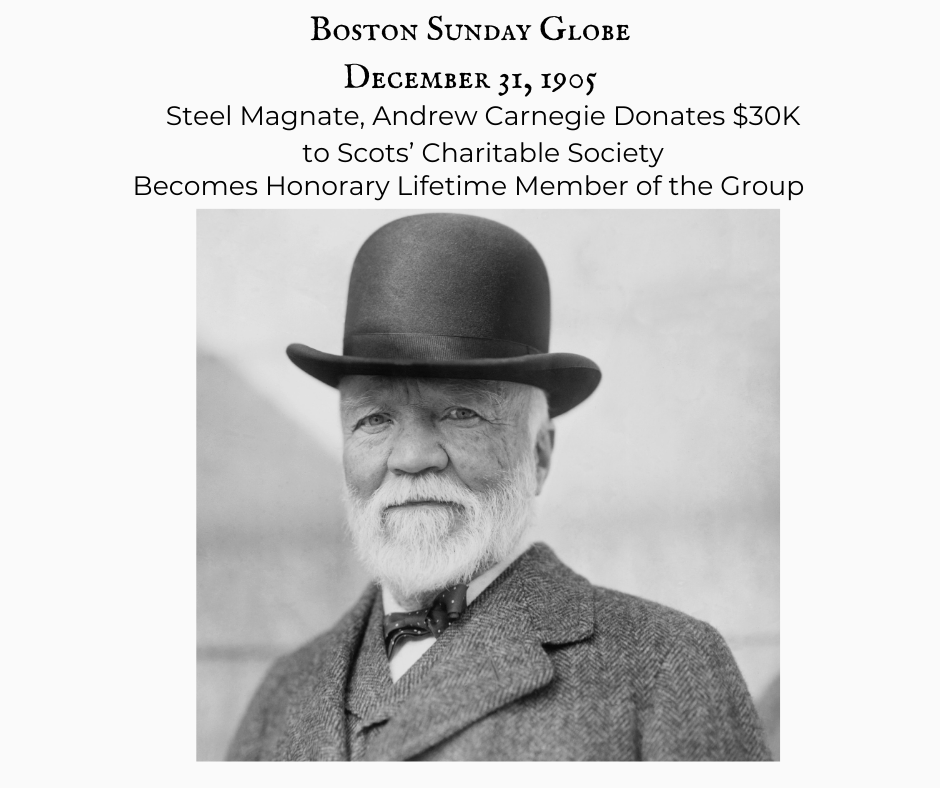
Andrew Carnegie was the second child to Margaret and William Carnegie, being born in 1835 in Dunfermline, Scotland. Not long after his birth, in the mid-1840’s, the potato famine struck Scotland causing many families to fall on hard times. This forced the Carnegie family to leave for America in 1848, settling in Allegheny, Pennsylvania. Soon after arriving, Andrew Carnegie would get his first job at age 13 as a bobbin boy at the Scottish-owned, Anchor Cotton Mill earning only $1.50 per week. He went on to work various jobs, such as with the Pennsylvania Railroad and a telegraph company, until eventually organizing the Carnegie Steel Company in 1865. His company would become extremely successful, launching the steel industry in Pittsburgh, and eventually it would get sold to JP Morgan in 1901 for $480 million.

Andrew Carnegie was a big believer in helping the needy, and had given over $350 million to charities in his lifetime. 

He attended his first Scots’ Charitable annual meeting at Hotel Somerset in late 1905 where he was a chief guest and became an honorary lifetime member. After the meeting had concluded, he would give an extremely generous donation of $30,000 to Scots’ Charitable, to be used for the relief of Scottish born people in the vicinity. The money would go toward lodging, rent, food, fuel, and sometimes fares to distant points. Carnegie was a huge help to many less fortunate people in his lifetime, believing that the rich had a moral obligation to give back. For his generosity to our organizaition, he was awarded a lifetime honorary membership, we thank him for his generosity!

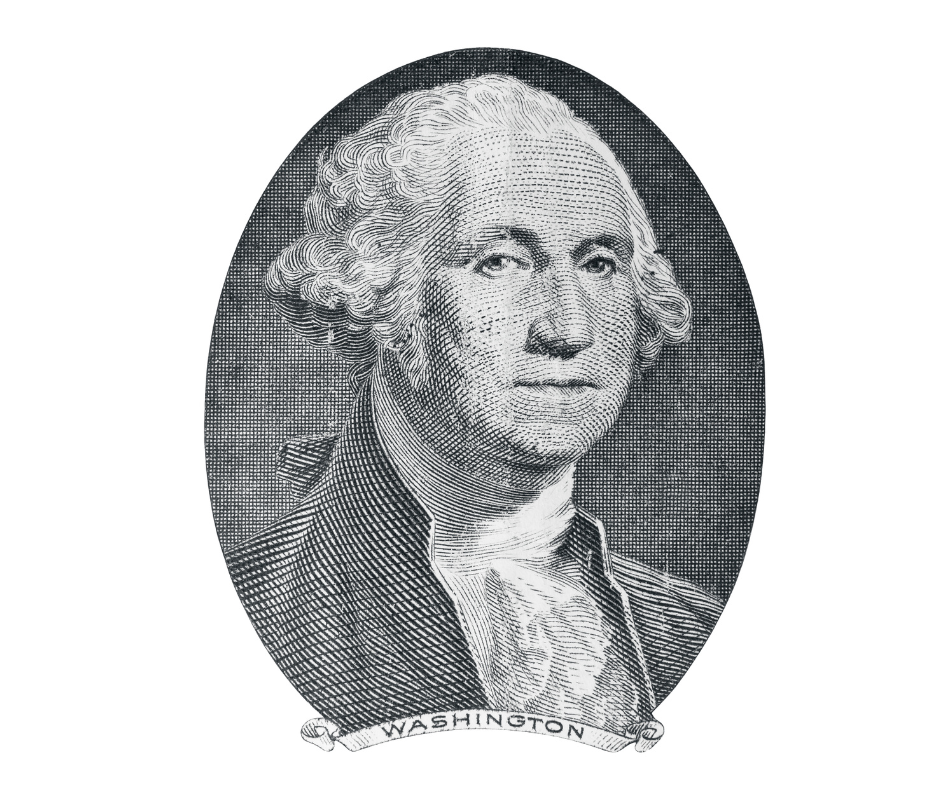
Scots’ Charitable Society – Membership Bio – Charles Gilber Stuart – Painter of george wahsington

Gilbert C. Stuart was born in North Kingstown, Rhode Island, on 3 December 1755. His father, Gilbert Stuart, was a Scottish immigrant who owned the first snuff mill in America in Narragansett, Rhode Island. His mother was Elizabeth Anthony Stewart who was born into a prominent family in Middletown, Rhode Island.

Stuart’s artistic talent was apparent at an early age. In 1770 he was introduced to and influenced by the Scottish portrait artist Cosmo Alexander. Alexander, who was visiting Rhode Island, recognized the young Stuart’s talent. Stuart accompanied Alexander to Scotland in 1771 in order to study with him. However, Alexander died in 1772 and Stuart returned to Rhode Island in 1773.

By 1775 Stuart had moved to Boston, Massachusetts, where he was admitted to the Scots’ Charitable Society on 14 February 1775. He did not remain in Boston very long, sailing to England later the same year. He spent the next eighteen years in England and Ireland before returning to New York in 1793, and then living in Philadelphia, Pennsylvania. It was during this time that he painted three of his famous portraits of President George Washington. 

In 1805 he returned to Boston/Roxbury and lived on Devonshire Street until his death on 9 July 1828. He had suffered a stroke in 1824 and his health had been declining until his death. He is buried in an unmarked grave in the Old South Burial Ground.

References:

Anthony, Charles L. Genealogy of the Anthony family from 1495 to 1904 traced from William Anthony, Cologne, Germany, to London, England, John Anthony, a descendant, from England to America. Charles L. Anthony, Springfield, IL, 1904. Available online at:  https://archive.org/stream/genealogyofantho00anth/genealogyofantho00anth_djvu.txt

Gilbert-Stuart.org/biography.html

See also: Gilbert Stuart, https://en.wikipedia.org/wiki/Gilbert_Stuart, for additional references.

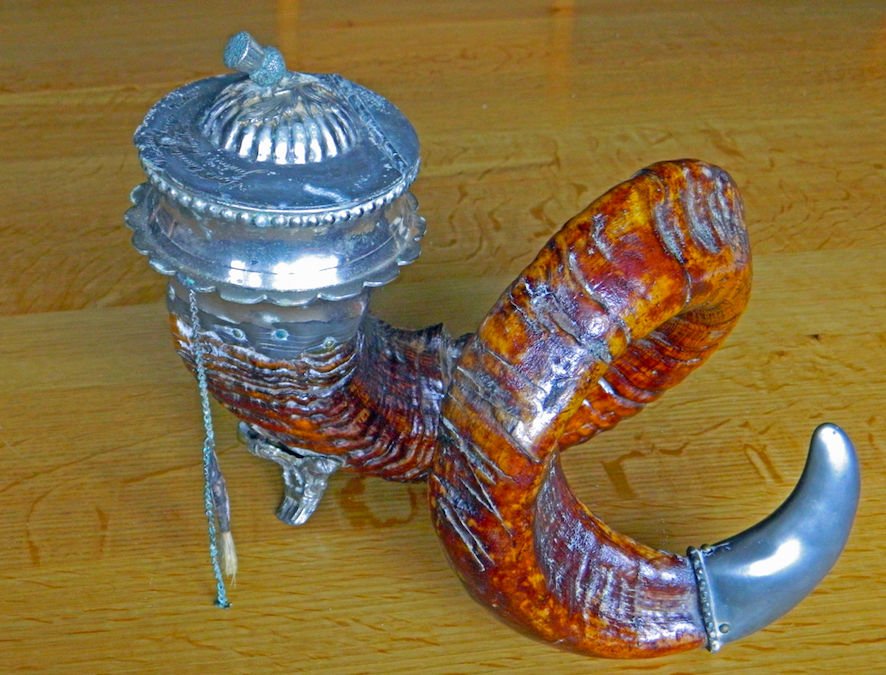
The Scotch Mull of the Scots’ Charitable Society

The society has owned a ram’s horn snuff holder since 1874 that was returned to us several years ago following the death of Life member James Inglis. 

Known as a Scotch mull or sneeshing mull, the horns were often highly decorated. The term “mull” derives from the Scottish pronunciation of “mill,” a device used to ‘pulverize’ or grind tobacco fine enough to be inhaled through the nose. Sneeshing loosely means sneezing, the sometimes explosive result of inhaling the snuff.

Mulls were often made of a natural ram’s horn, sometimes artificially curved at the narrow end, with a decorated, engraved, hinged box or cup at the wide end. The lid was often silver, decorated with a gemstone or similar item. Mulls, especially the more expensive mulls, would include an attached spoon and brush or rabbit’s foot. The spoon was used to apply the snuff to the nose and the rabbit’s foot or brush for “wiping the upper lip.” Mulls were available in various sizes. A smaller mull was for more personal use while a larger, or communal, mull was intended for larger gatherings.

Our mull fits the classic description: a curved ram’s horn with a silver cap on the narrow end, silver legs to support it, a silver cup at the wide end with a hinged, engraved lid decorated with a thistle, and a spoon and brush attached by a fine metal chain (the spoon is missing). The cup still contains a bit of cinnamon colored, now-odorless, snuff residue. The lid is engraved “Presented to the Scots’ Charitable Society, Boston, James M. Smith, 1874.”

James Milne Smith was admitted to the society in 1865 and was President of the society in 1872. His son, James Milne, Jr., was admitted in 1881.

A good source of information on snuff and the various snuff boxes and mulls that were once very popular is Mattoon M. Curtis’ enjoyable 1935 book, Book of Snuff and Snuff Boxes. This is available as a hard cover book or a downloadable digital copy.

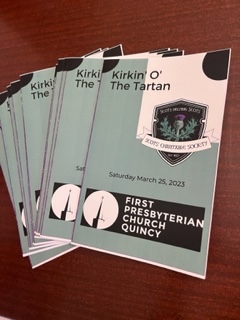
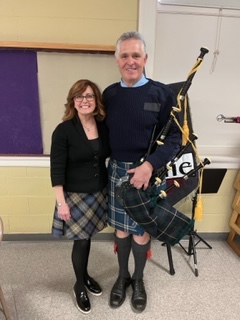
The Kirkin’ O’ the Tartan 2023

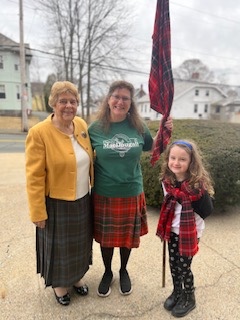
The Society Celebrated the Kirkin O’ The Tartan at The First Presbyterian Church in Quincy, Massachusetts this March. Our President, Alan McCall led the group of 30 members in blessing of the clans and in song. Representatives from Clan Leslie, MacDonald, McKenzie, MacLeod, MacLean, Campbell, Sinclair and others!

Following the blessing, we enjoyed a catered lunch and fantastic short bread baking competition. This was a great opportunity for members and friends of The Society to gather for blessings, fun and community. We hope to see you at our next event!

SCS Reporter: April Meeting at Mt. Auburn

The SCS March Meeting at the Bigelow Chapel at Mount Auburn Cemetery is scheduled for Friday, 4/21 from 6pm-8:30pm.

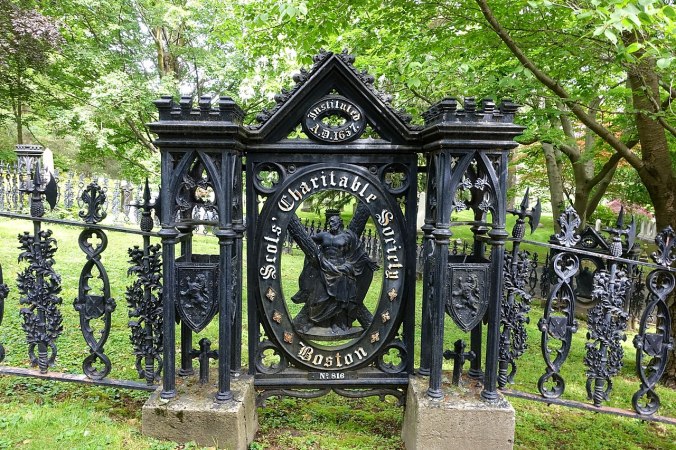
Join us at Bigelow Chapel at Mount Auburn Cemetery, 580 Mount Auburn Street, Cambridge MA. We will be accompanied by executives from the cemetery to discuss the restoration of the fence. Plan to arrive promptly at 6pm.

See where our former members and family are buried first-hand, and learn more about the SCS plot preservation efforts.

We will be providing sandwiches, coffee, tea, and water.

Please make every effort to attend.

PLEASE RSVP BELOW IF YOU ARE ATTENDING (or check your inbox and reply to Wayne’s all-member email)

Go back

Your RSVP has been sent

Warning
Warning
Attending?(required)

Warning
Warning
Warning.

SCS Reporter: Annual Meeting

The SCS Annual January Meeting will take place on JANUARY 19, 2023

1674127800

  days

  hours  minutes  seconds

until

SCS Annual Meeting

Join us at The Chateau Restaurant, 195 School Street, Waltham, Mass., from 6:30 pm to 8:30 pm, and hear from our guest speaker, Linda McJannet, President of the Royal Scottish Country Dance Society.

Linda is also a Professor of English and Media Studies at Bentley University and Co-founder and co-director of the Shakespeare and  Dance  Project.

Dinner selections for the meeting are:

  • Fish & chips with french fries and cole slaw
  • Chicken Parmigiana
  • Marinated sirloin tips & chicken with oven-roasted potatoes and vegetables

Please make every effort to attend.

PLEASE RSVP BELOW IF YOU ARE ATTENDING (or check your inbox and reply to Wayne’s all-member email)

Go back

Your RSVP has been sent

Warning
Warning
Attending?(required)

Warning
Choose dinner options(required)

Warning
Warning
Warning.

Happy Hogmanay to all!

Hogmanay, the Scots word for the last day of the year, is typically a time to welcome friends and strangers with warm hospitality into your home. Its origins reach back to the winter solstice celebration among the Vikings with wild parties in late December.

Photo by Martin Robertson

Since ancient times, households across Scotland have welcomed strangers through their doors to bring good fortune for the year ahead. This tradition, called “first footing,” stems from the Gaelic practice of “qualtagh.” Traditionally, the first footer should be someone who was not already in the house when midnight struck – hence a Scottish party tradition of having one guest leave just before the bells so they can knock on the door as the new year begins. They usually come bearing gifts; per tradition, they would arrive loaded with a coin, bread, salt, a lump of coal, and whisky – gifts representing all the things the new year would hopefully bring, such as prosperity, food, warmth, and good cheer.

As the clock strikes midnight, many across the globe cap the night by singing Auld Lang Syne by Scotland’s national bard, Robert Burns (who we will be celebrating on Burns Night, Wednesday, January 25).

Looking ahead, we are excited to continue our efforts as Scots helping Scots and send our best wishes to you and your families. Happy Hogmanay!